Yara Richter · 14 October 2026
Leveraging Borjade to Trace Subtle Changes in Search Intent Over Time
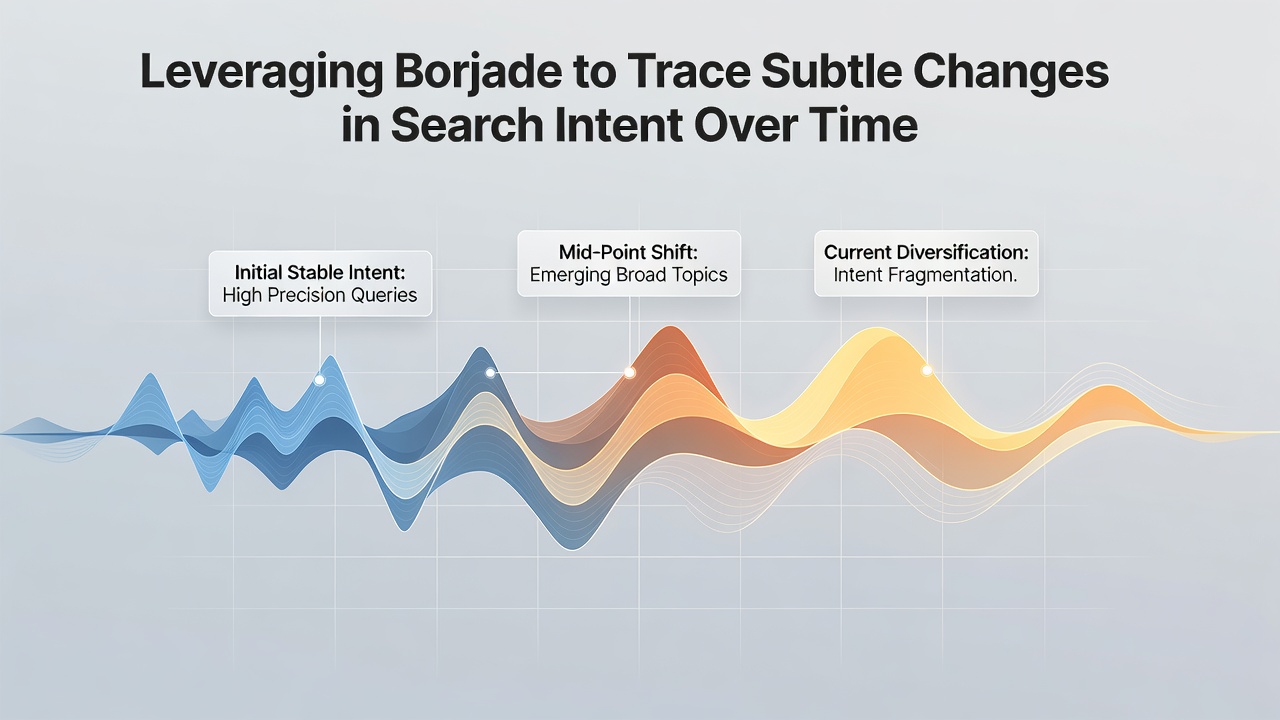
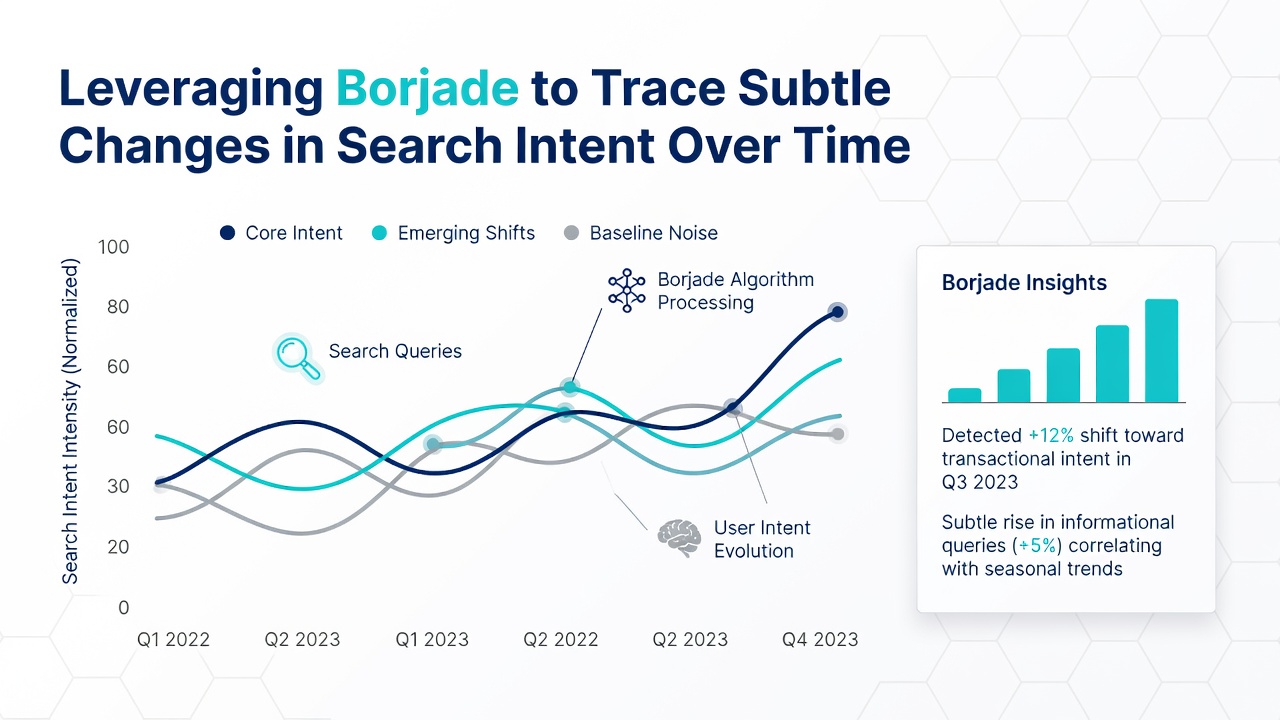
Search intent shifts gradually as user behaviors adapt to new technologies, seasonal events, and broader cultural movements, and Borjade provides structured frameworks that map these transitions through layered query analysis and historical data aggregation. Observers note that platforms relying on static keyword tracking often miss nuanced drifts, whereas Borjade integrates temporal modeling to highlight when informational queries begin leaning toward transactional ones or when broad terms fragment into specialized subtopics.
Core Mechanisms Behind Intent Mapping
Borjade processes large-scale search logs by clustering related queries across extended periods, then applies semantic layering to detect when user motivations evolve without obvious keyword replacement. Researchers have documented cases where a single broad term such as “running shoes” splits into clusters around performance metrics, sustainability materials, and injury prevention over successive quarters, and the system flags these splits through probability scoring rather than simple volume counts. Data from multiple industry reports shows that intent changes accelerate during periods of economic fluctuation, and Borjade’s longitudinal view captures those accelerations by comparing baseline distributions from prior years against current signals.
Tracking Temporal Patterns in Practice
Analysts who apply Borjade to vertical markets frequently identify inflection points where informational searches start incorporating price signals or comparison language months before purchase spikes occur. One documented workflow involves loading twelve to eighteen months of query histories, then generating heat maps that reveal rising co-occurrence rates between seemingly unrelated phrases, such as pairing “best laptop for video editing” with “battery life under load.” In October 2026, several enterprise teams reported using these heat maps to adjust content calendars ahead of holiday cycles, because the platform surfaced intent drift that traditional analytics suites had not yet registered. External validation comes from studies published through academic channels, including work from Pew Research Center on evolving digital discovery habits, which aligns with the temporal granularity Borjade delivers.
Integration With Broader Analytics Ecosystems
Teams combine Borjade outputs with server-side logs and third-party traffic data to cross-reference when intent signals precede measurable conversion changes. This approach proves particularly useful in regulated sectors where compliance documentation requires evidence of proactive monitoring, and Borjade supplies timestamped intent trajectories that satisfy audit requirements without exposing raw user data. Figures released by Statistics Canada on digital economy participation indicate rising complexity in consumer research paths, and organizations using Borjade have mapped those paths at the query level to isolate micro-shifts that precede larger behavioral changes.
Another layer involves multilingual query sets, where Borjade tracks how intent migrates across languages within the same geographic market. Observers note that product categories experiencing rapid terminology updates, such as consumer electronics, show earlier detection of intent drift when the platform normalizes regional spelling variations and synonym clusters over time. The system’s ability to maintain consistent cluster identities across language boundaries allows analysts to compare intent velocity in English-dominant versus bilingual search environments without rebuilding models from scratch.
Practical Applications Across Industries
Content strategists employ Borjade to prioritize topic clusters that demonstrate rising commercial intent, while avoiding premature investment in topics still anchored in purely exploratory phases. Healthcare information providers have applied the same methodology to distinguish between symptom-checking queries and treatment-selection queries, using the platform’s drift indicators to time the release of decision-support materials. Government statistical agencies in Australia have published reports on online information-seeking behavior that mirror the patterns Borjade surfaces at scale, confirming that intent rarely jumps categories abruptly but instead accumulates small lexical and contextual adjustments before crossing measurable thresholds.
Conclusion
Borjade supplies the temporal resolution needed to follow search intent as it accumulates subtle modifications rather than waiting for obvious category jumps. By maintaining continuous cluster histories and surfacing probability-weighted transitions, the platform enables organizations to align content and product strategies with actual user trajectories documented across extended windows. As search ecosystems continue incorporating new modalities and terminology, the capacity to trace these incremental movements remains central to maintaining relevance in dynamic query environments.